
An interactive history from Machine Commerce
Agentic commerce,
in a carton box
Five thousand years of trade, packed into one carton. Open it, and meet the next buyer.

Drag along the tape to cut it open
or just scrollBefore money, a note of who owes what
The story you learned at school: before money there was barter. Grain for shoes, shoes for fish, and trade stalled until someone invented coins.
The people who went looking could not find it. "No example of a barter economy, pure and simple, has ever been described." Caroline Humphrey, 1985
What they found was credit. Neighbours kept track of who owed whom, and over time they wrote it down.
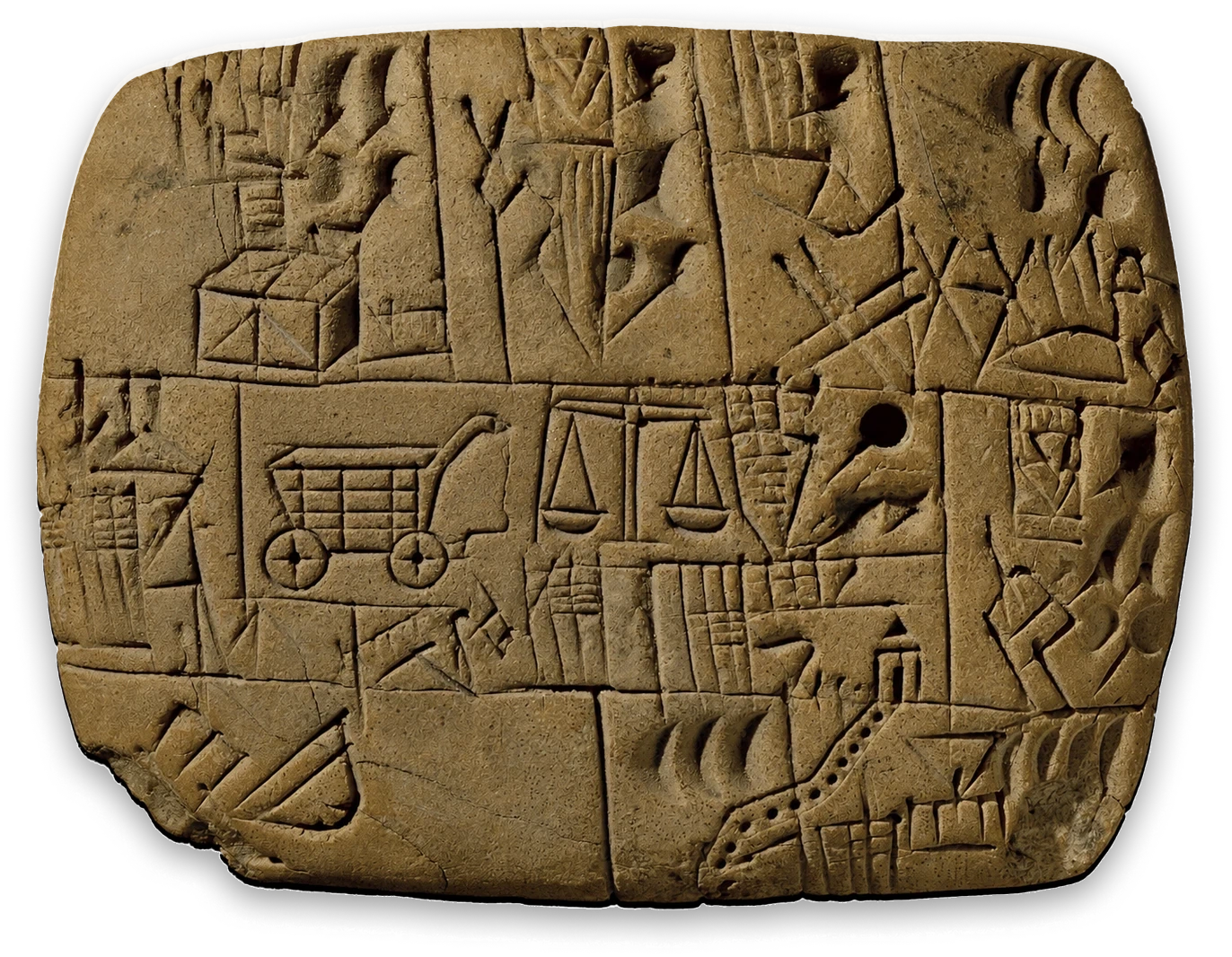
The first thing commerce standardised was not money. It was the record.
A stamp you can trust

Tap the coin
For a long time value moved by weight. Silver went on a scale at each sale, and every buyer had to test the metal.
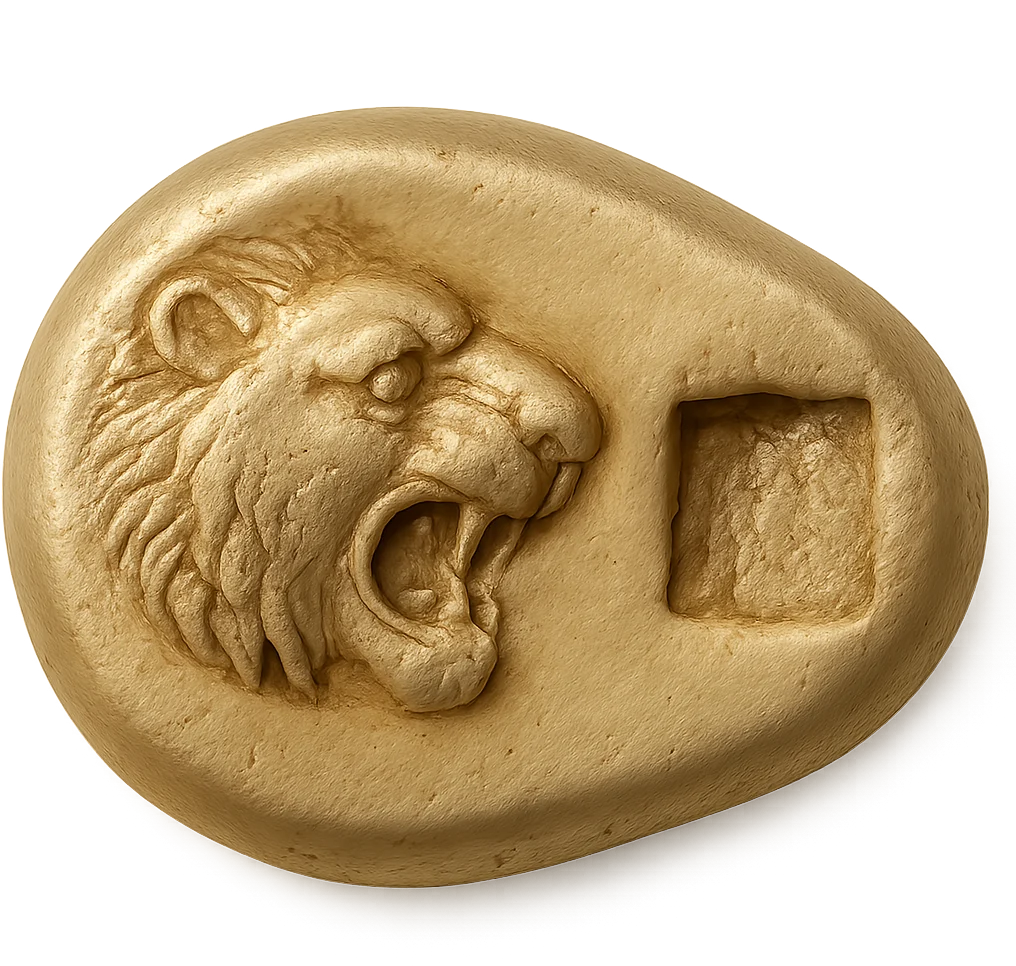
Late in the seventh century BCE, in Lydia and the Greek cities of Ionia, someone struck lumps of electrum with a mark. The earliest carry a lion's head.
Now you trusted whoever stamped it. Strangers could trade at a market without checking each other's silver. Magna Carta set one measure for the kingdom in 1215.
Trust moved from the metal to the mark.
Fairs, ledgers and paper promises
In the thirteenth century the fairs of Champagne became "the undisputed fulcrum of international exchange in Europe". Merchants settled accounts and carried paper home instead of coin.
From 1024 the Song state in China issued paper money, the jiaozi.
In 1494 Luca Pacioli printed the method of Venice: every amount written twice, as a debit and a credit, so the books can check themselves.
You could trade with someone a thousand miles away, because both of you trusted the paper.
The price on the tag
For most of history the price was whatever you could talk the seller into.
Le Bon Marché in Paris marked fixed prices from 1852. John Wanamaker's store in Philadelphia, 1876, is remembered for its "one-price system and money-back guarantee".
On 1 January 1876 Bass registered a red triangle as trade mark number one in Britain, so a buyer could tell who made the bottle.
A printed price is the same for everyone and written down. The first structured data on a shelf.
The store comes to the farmhouse
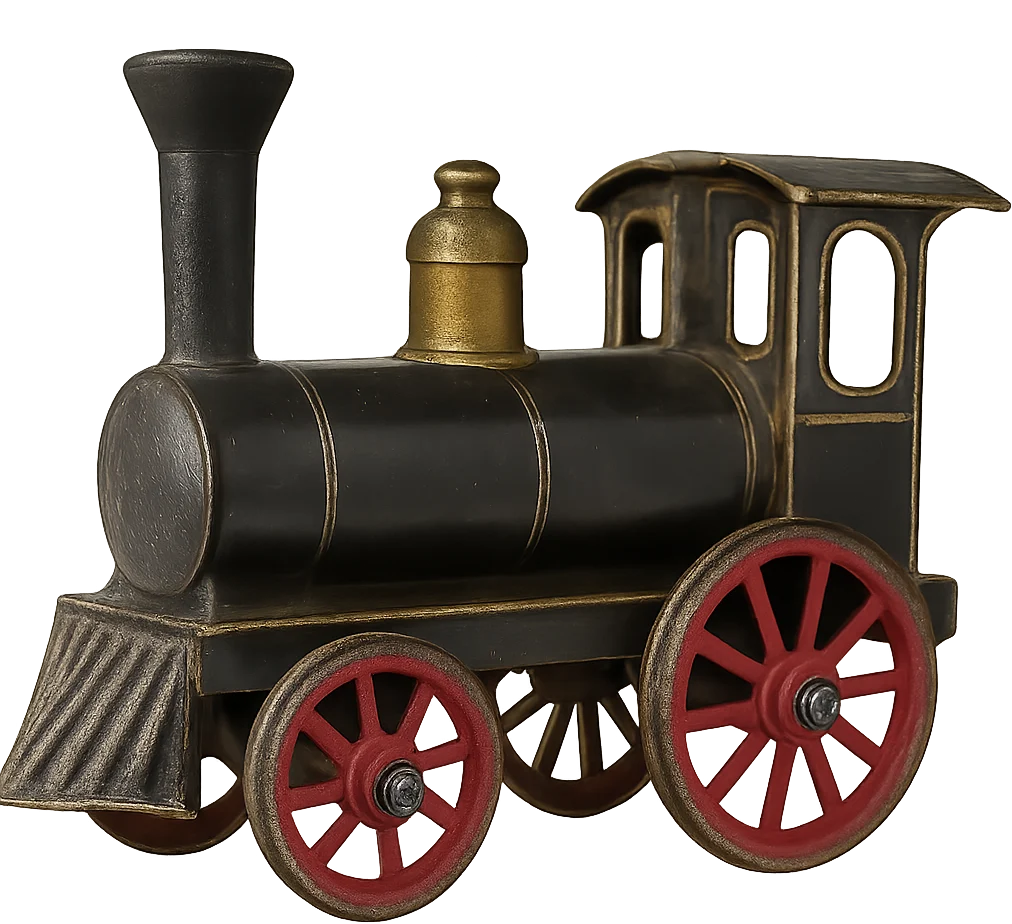
Railways joined the American coasts in 1869. On 18 August 1872 Aaron Montgomery Ward mailed his first catalog: one sheet, 163 items.
Rural Free Delivery began on 1 October 1896 with five carriers. Small-town shopkeepers fought it. Parcel Post handled four million parcels in its first five days, in 1913.
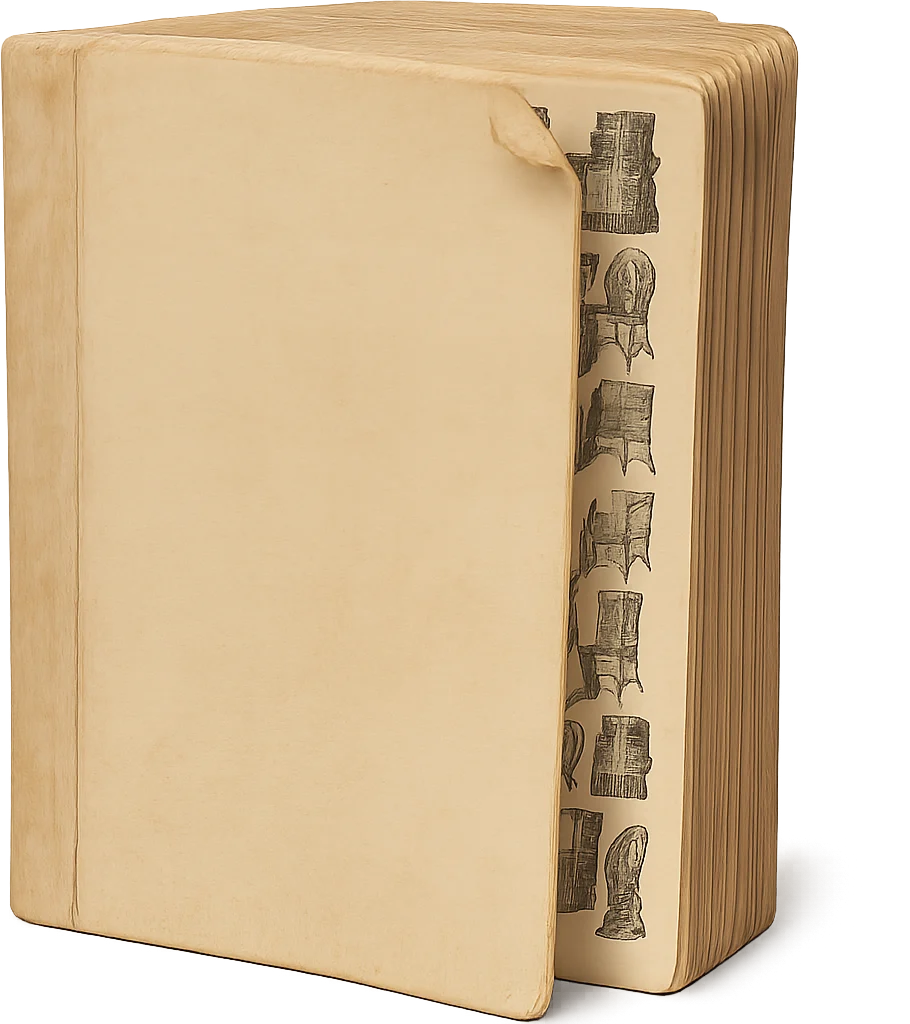
For the first time the buyer never met the seller. The description had to do the selling. Remember that.
The first machine that read a product
1916: the first self-service store, in Memphis. 1950: a card you could pay with. 1956: the Ideal X sails with 58 containers, and loading falls from $5.83 a ton to about 16 cents.
17 April 1973: Federal Express flies 186 packages to 25 cities overnight.
26 June 1974, 8:01 am, Troy, Ohio. A ten-pack of Juicy Fruit passes over a scanner. Scan it yourself.
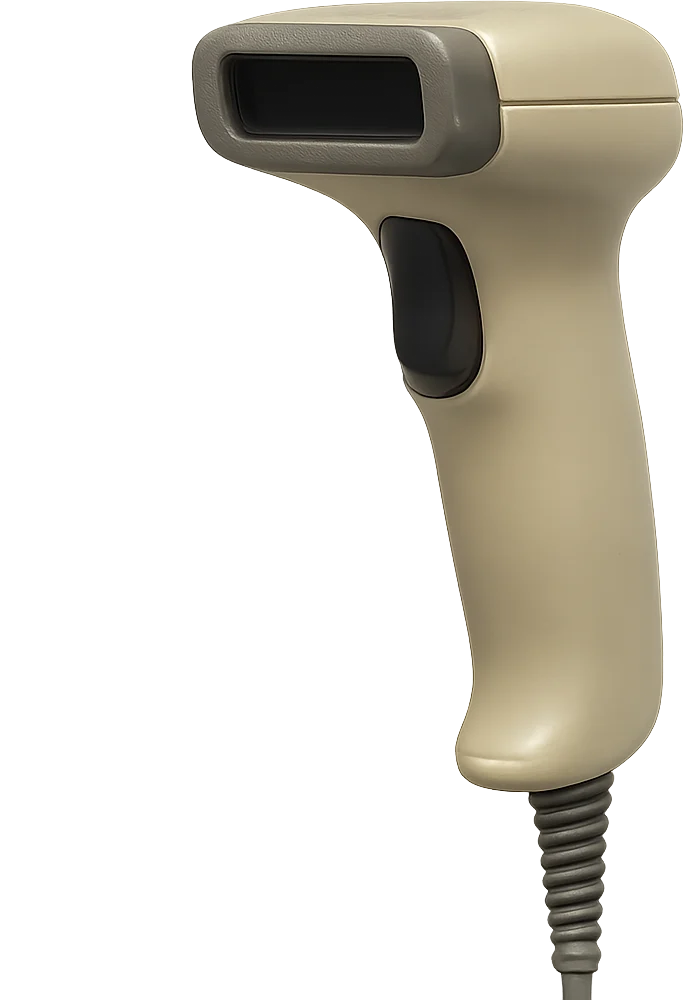
Drag the gum across the red line, or tap it

A machine read the product. Not the colours, not the copy. A number, and the number was enough.
The page becomes the store
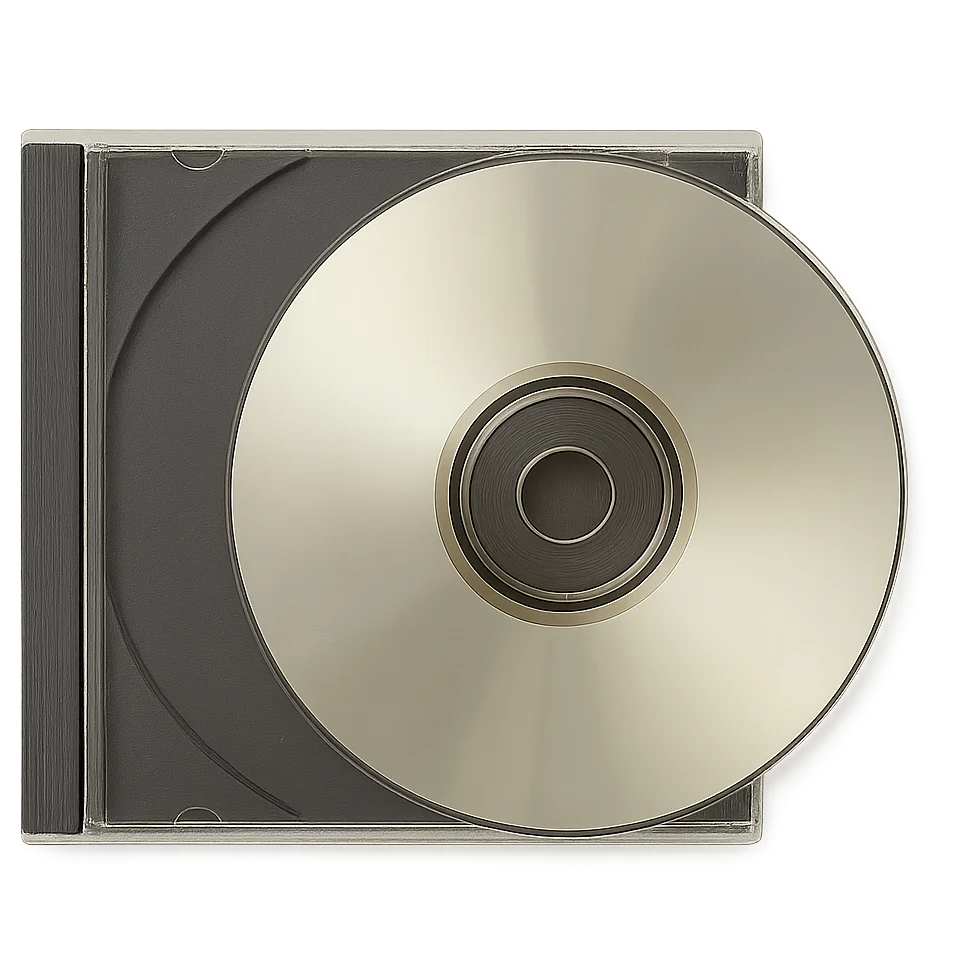

11 August 1994: Dan Kohn sells a Sting CD on NetMarket for $12.48 plus shipping, the card number encrypted with PGP. Press Buy.
July 1995: Amazon opens. That September, eBay; its first sale is a broken laser pointer for $14.83. PayPal lets strangers pay each other.
2 June 2011: Google, Bing and Yahoo launch schema.org. Stores write a second version of the page, for machines. Drag the slider to see it.
{ "@type": "Product",
  "name": "Olive oil, 500 ml",
  "offers": { "price": 18.00,
    "priceCurrency": "USD",
    "availability": "InStock" } }
For peopleFor machines
The size of the till
All of it runs on the habits of the catalog. A person reads the page and presses the button. Every layer so far assumed a human buyer.
A new customer at the door
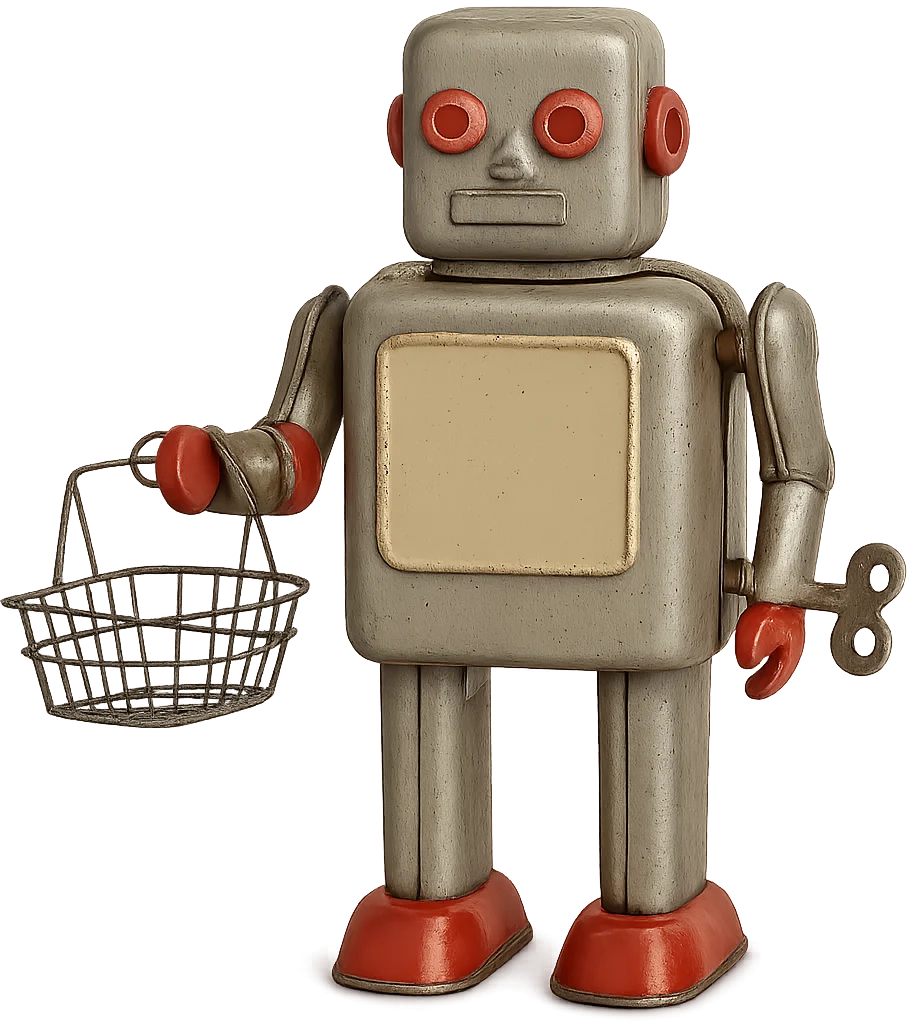
People now ask an assistant to do the looking. ChatGPT had about 900 million weekly users by early 2026.
Adobe saw AI-referred visits to US retail sites rise about 1,300% over the 2024 holidays, then 693% over 2025. In March 2025 those visitors converted 38% worse than everyone else. By March 2026, 42% better. The volume is still modest. The intent is not.
Checkout inside the chat stumbled in 2026. Discovery did not. The agent is a buyer, acting for a person.
Why the page fails the machine
<div class="hero">
  <img src="oil-hero.jpg">       price drawn into the picture
  <h1>Estate olive oil</h1>
  <button class="sz">250 ml</button>
  <button class="sz is-grey">500 ml</button>  in stock? unknown
  <button>1 l</button>
  <div id="cookie-wall">…</div>     covers the page
  <script src="cart.js">           cart drawn by script
</div>
An agent does not leave because it dislikes the brand. It leaves because it could not finish. Shopify's own robots file says it plainly: "Checkouts are for humans."
The barcode moment, again
Every time trade outgrew the old way of trusting, somebody agreed on a standard and wrote things down in it.
UCP, ACP, AP2 and MCP write down the questions a buyer can ask a store, the answers it should get, the actions it can take and the errors it might meet.
The agent is the first buyer that reads only the standard. Of 307 stores we captured, 259 already carry structured product data. Most still declare no agent protocol.
{ "name": "Estate olive oil, 500 ml",
  "price": 18.00, "currency": "USD",
  "in_stock": true,
  "delivery_by": "Fri",
  "returns_days": 30 }
What goes in the box now
None of this needs a new store. It needs the store you have to be readable by a second kind of customer. Tick what you have.
Machine Commerce is an applied AI research lab. We study how machines buy, and we measure how ready your store is for them. Measured, not marketed.
Measure your store Read it as an essay Machine CommerceSources
Jevons (1875); Humphrey (1985); Schmandt-Besserat, From accounting to writing; Sardis Expedition on early coinage; Magna Carta clause 35; Edwards and Ogilvie on the Champagne fairs; ICAEW on Pacioli; World History Encyclopedia on the jiaozi; UK IPO on trade mark No. 1; Pennsylvania historical marker for Wanamaker; Chicago History Museum on Montgomery Ward; USPS on Rural Free Delivery; Smithsonian Postal Museum on Parcel Post; US patent 1,242,872; Levinson, The Box; FedEx newsroom; History.com on the first UPC scan; The New York Times, 12 August 1994; schema.org launch post; UNCTAD; US Census Bureau; Visa 10-K FY2025; Pitney Bowes Parcel Shipping Index; Amazon; Search Engine Land on ChatGPT users; Adobe Digital Insights; announcements for MCP, Visa Intelligent Commerce, Mastercard Agent Pay, AP2, ACP and UCP; WebShop, WebArena, Online-Mind2Web and DeepShop papers. Store counts come from Machine Commerce captures in October 2026. The store in layers 10 and 11 is made up. Full list with links.
© 2026 General Machines · machinecommerce